
Sustainable construction is no longer a trend — it is a necessity. As infrastructure projects expand rapidly across India and globally, the demand for eco-friendly, durable, and cost-effective materials is growing. One such innovative solution transforming the industry is geotextile fabric. Geotextiles play a vital role in enhancing structural performance while minimizing environmental impact, making them essential for green infrastructure development.
What Are Geotextile Fabric?
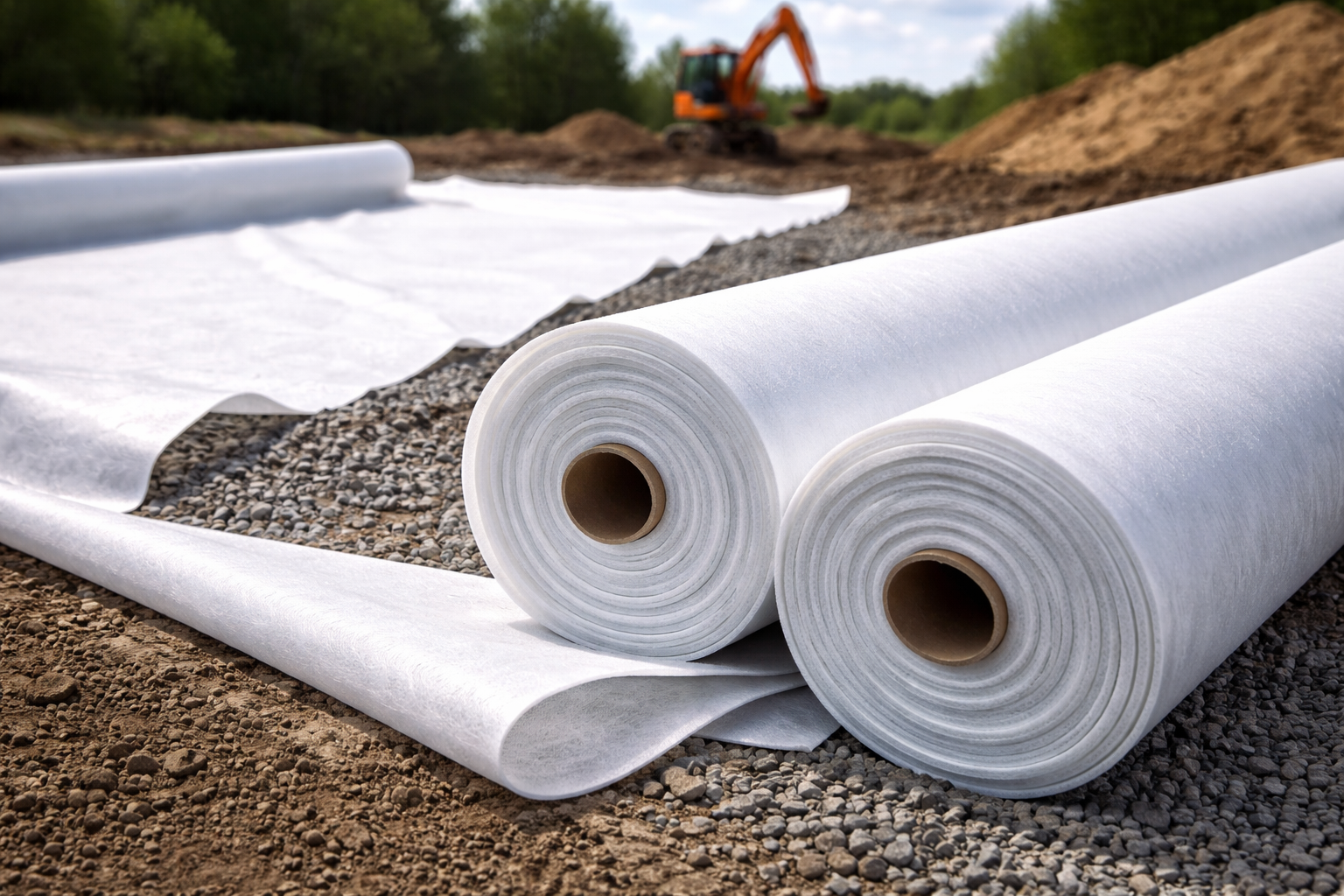
Geotextile fabric are permeable synthetic fabrics used in civil engineering and construction projects to improve soil stability, provide drainage, filtration, separation, and reinforcement. They are commonly manufactured from polypropylene or polyester and are available in woven and non-woven types.
Because of their strength, durability, and permeability, geotextiles are widely used in road construction, embankments, railways, landfills, coastal protection, and water management systems.
Supporting Sustainable Construction Practices
Sustainable construction focuses on reducing environmental impact, conserving resources, and increasing the lifespan of structures. Geotextiles contribute significantly in the following ways:
1. Soil Stabilization and Reduced Material Usage
Geotextiles enhance soil strength by distributing loads evenly and preventing soil movement. This reduces the need for excessive aggregates and raw materials, lowering carbon emissions associated with quarrying and transportation.
By improving load-bearing capacity, geotextiles extend the life of roads and foundations, reducing maintenance frequency and conserving resources over time.
2. Effective Drainage and Water Management
Proper drainage is essential for sustainable infrastructure. Non-woven geotextiles allow water to pass through while filtering out soil particles. This prevents waterlogging, erosion, and structural damage.
They are widely used in:
Highway drainage systems
Retaining walls
Subsurface drainage
Green roofs
Efficient water management reduces environmental degradation and protects surrounding ecosystems.
3. Erosion Control and Environmental Protection
Soil erosion is a major environmental challenge, especially in coastal areas and hilly terrains. Geotextiles help prevent erosion by stabilizing soil surfaces and protecting slopes.
They are commonly used in:
Riverbank protection
Coastal defense systems
Landscaping projects
Embankment stabilization
By preventing sediment runoff into water bodies, geotextiles protect aquatic life and maintain ecological balance.
Geotextile Fabric in Green Infrastructure
Green infrastructure refers to environmentally responsible construction that works in harmony with nature. Geotextiles support this approach in multiple applications.
1. Green Roof Systems
Green roofs improve air quality, reduce urban heat, and manage stormwater. Geotextiles act as filtration and drainage layers in these systems, ensuring proper water flow while retaining soil.
This promotes sustainable urban development and energy efficiency.
2. Landfill and Waste Management Systems
Geotextiles are used in landfill liners to separate waste layers and improve leachate drainage. This prevents groundwater contamination and supports environmentally safe waste disposal.
Their role in filtration and separation makes them essential in modern environmental engineering projects.
3. Road and Railway Infrastructure
Sustainable transport infrastructure requires durability and reduced lifecycle costs. Geotextiles reinforce weak subgrades, minimize rutting, and extend pavement life.
This reduces repair frequency, lowers material consumption, and decreases overall environmental impact.
Long-Term Durability and Cost Efficiency
One of the strongest contributions of geotextiles to sustainability is their longevity. High-quality geotextile fabrics are resistant to chemicals, UV exposure, and biological degradation.
Their durability:
Reduces repair and replacement needs
Minimizes construction waste
Lowers overall project costs
Enhances lifecycle performance
This aligns perfectly with green building standards and sustainable development goals.
Contribution to Carbon Footprint Reduction
By reducing the need for natural resources such as gravel and sand, geotextiles help conserve raw materials. Fewer materials mean lower transportation emissions and decreased environmental disruption.
Additionally, longer-lasting infrastructure results in fewer reconstruction cycles, significantly reducing carbon emissions over time.
The Future of Sustainable Infrastructure
As governments and developers increasingly adopt environmentally responsible construction practices, the demand for geotextiles is expected to grow. Smart cities, climate-resilient infrastructure, and eco-friendly projects rely heavily on advanced geosynthetic solutions.
Manufacturers are also focusing on improved materials, recyclable fabrics, and innovative production methods to enhance sustainability further.
Conclusion
The role of geotextiles in sustainable construction and green infrastructure is undeniable. From soil stabilization and erosion control to drainage and landfill protection, geotextile fabrics contribute to stronger, safer, and more environmentally responsible infrastructure.
By reducing material consumption, extending project lifespan, and minimizing environmental impact, geotextiles are paving the way for a greener and more sustainable future in the construction industry.